Dry cutting of engineered stone to be avoided
HSE guidance and inspections underway
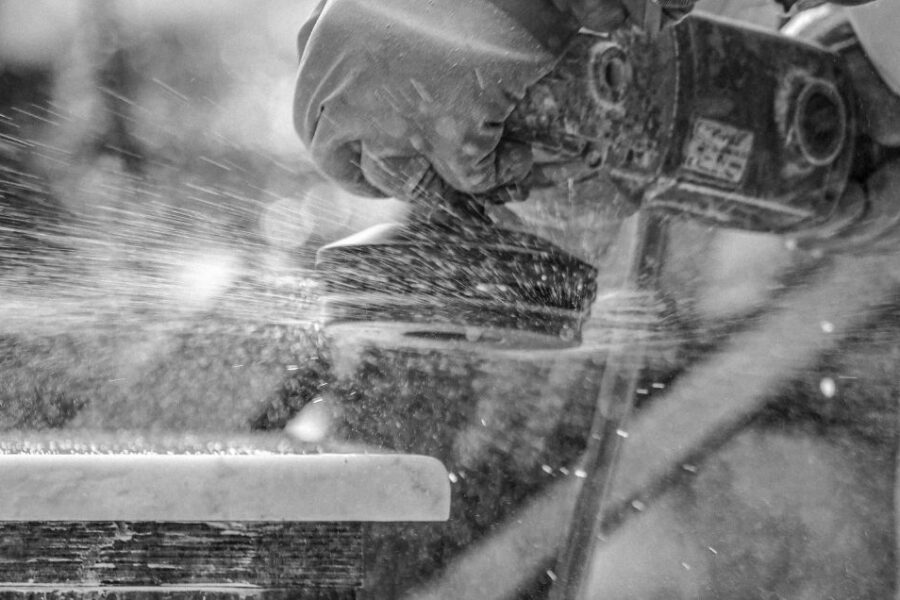
HSE has published new guidance on working safely with engineered stone and launched a major inspection programme to protect workers from silicosis, a deadly but entirely preventable lung disease caused by breathing in silica dust.
The guidance makes clear that dry cutting of engineered stone does not meet legal health and safety requirements. Water suppression is how businesses can meet their legal duty, and many industry leaders are already doing so. The first of more than 1,000 inspections at fabricators across Great Britain is already underway, with enforcement action taken against those failing to meet the required standards.
Why it matters
Engineered stone, widely used in kitchen and bathroom worktops, can contain up to 95% crystalline silica. Unlike natural stone, where silica-related disease typically develops over decades, exposure to engineered stone dust can cause silicosis within months or years. Workers can suffer permanent, irreversible lung damage before any symptoms appear.
The deaths of young workers from silicosis in recent years prompted urgent calls for action from MPs, trade unions, and medical professionals. HSE responded with two years of research and industry engagement before acting.
Research found dry cutting typically exposes workers to five to ten times higher levels of respirable crystalline silica than wet methods using the same tools. It also confirmed that lower-silica engineered stone of equivalent quality is available, leaving no justification for using higher-risk materials.
Your legal duties
HSE has published its first-ever COSHH guidance sheet specifically for engineered stone. Employers must:
- Use on-tool water suppression when cutting
- Control mist produced during wet cutting
- Provide appropriate respiratory protective equipment (RPE)
- Carry out regular health surveillance
Following these legal requirements is essential to protect workers from silicosis and other serious risks. Understanding your duties and taking the necessary steps ensures that employees remain safe and that businesses meet their obligations.
Mike Calcutt, Deputy Director in HSE’s Engagement and Policy Division, said:
“Silicosis is incurable, but entirely preventable. No worker should lose their life to a lung disease caused by their job, and that is why we have taken this action.
“To every employer in this sector: the guidance is now published, expectations are clear, and our inspectors are coming. Those cutting corners are putting their workers at risk and undercutting the businesses doing things properly. We will create a level playing field.”
Next steps
HSE inspectors will conduct more than 1,000 visits to fabricators across Great Britain over the next 12 months. This inspection programme is part of HSE’s wider work in the sector running through 2026 to 2027, which includes continued engagement with employers and trade bodies to drive compliance and raise awareness of legal duties.
HSE is also working with manufacturers, suppliers, and importers to encourage the supply of lower-silica engineered stone as a safe, high-quality alternative to high-silica materials.
Workers’ rights
If you work with engineered stone and are concerned about controls in your workplace, you have the right to raise it. Speak to your employer, safety representative, or contact HSE directly.
For concerns about workplace safety, contact HSE on 0300 003 1647. If you are concerned about your own health, seek medical advice.
Other helpful resources
visit the engineered stone pages on the Work Right website