Men’s Health Week – protecting health at work
Men’s Health Week takes place from 15 to 21 June and provides an opportunity to raise awareness of preventable health issues affecting men.
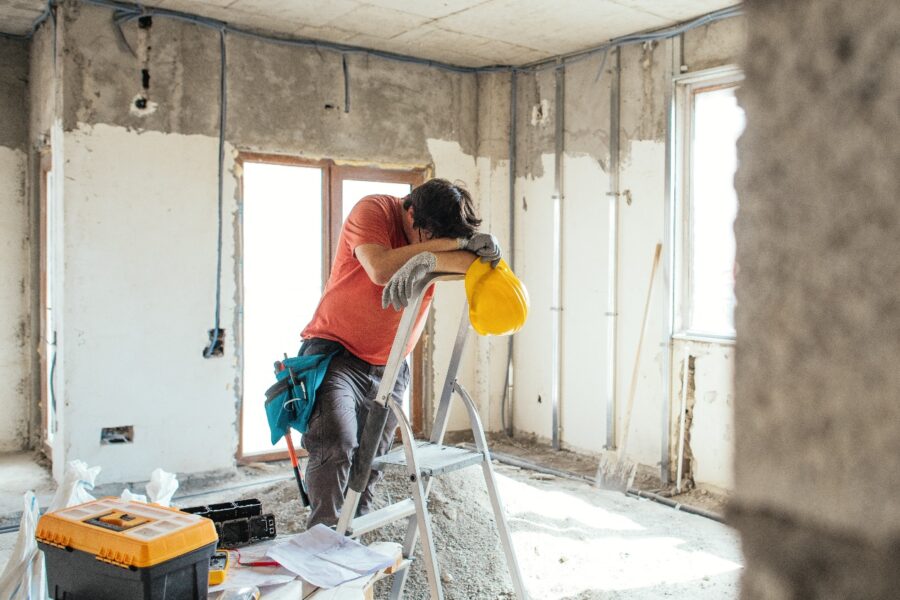
Many industries with higher occupational health hazards – including construction, manufacturing and skilled trades – are male-dominated sectors where workers may face both long-term physical health risks and work-related stress.
Understanding mesothelioma risk in the trades
Men working in skilled trades experience higher rates of mesothelioma mortality, 5 out of 6 deaths are male.
Asbestos was widely used in UK construction until it was banned in 1999. As a result, it can still be present in buildings constructed or refurbished before 2000, and routine maintenance, repair or renovation work may disturb it.
Trades with higher potential exposure include:
- electrical engineering
- carpentry and joinery
- plumbing
- heating and ventilation
- flooring and wall tiling
Mesothelioma is a cancer caused almost exclusively by exposure to asbestos. It most commonly affects the lining of the lungs, but can also affect the lining of the abdomen.
Symptoms may include:
- chest pain or shortness of breath
- a persistent cough, difficulty swallowing or a hoarse voice
- fatigue, a high temperature or heavy night sweats
- unexplained weight loss or loss of appetite
- curved nails over rounded fingertips (clubbing)
These symptoms can develop many years after exposure to asbestos. If you or someone you know working in the trades is experiencing any of these symptoms, encourage them to speak to their GP.
Cut, grind or polish engineered stone?
Silicosis can develop from exposure to engineered stone dust in months or years and almost all cases of silicosis are male.
It’s an incurable, but entirely preventable disease with the right controls.
If you cut or polish engineered stone using powered hand-held tools, check your controls are up to standard with the updated guidance.
Supporting mental health at work
Men’s Health Week also provides an opportunity to highlight the impact work-related stress can have on workers’ health.
Work-related stress can affect anyone, but in some workplaces and industries workers may be less likely to speak openly about stress or seek support.
Stress can affect concentration, decision-making, sleep and physical health, and may increase the likelihood of mistakes and incidents at work.
HSE’s Working Minds campaign encourages employers to take simple, practical steps to prevent work-related stress and support good mental health through its 5 Rs approach:
- Reach out and have conversations
- Recognise the signs and causes of stress
- Respond to any risks identified
- Reflect on actions agreed
- Make it Routine
How you can help
During Men’s Health Week, help raise awareness of both the physical and mental health issues that can affect workers across the trades and wider industry.
HSE campaigns provide free guidance and resources, including:
• practical asbestos guidance and a quick guide for tradespeople
• employer guidance on managing asbestos safely
• Working Minds resources to prevent work-related stress
Find out more
Learn more about our campaigns:
- Asbestos & You: for tradespeople to know what to watch for, and what to do should you come across asbestos.
- Asbestos – Your Duty: for those responsible for maintenance and repair of non-domestic buildings.
- Engineered stone: for those who cut, grind or polish engineered stone
- Working Minds: to help employers prevent work-related stress and support good mental health at work
- Men’s Health Week – Men’s Health Forum